
The right bed depends on the mission
In mining, lodging does not simply mean finding rooms. It means protecting operational continuity, rest, confidentiality, coordination and traceability. That is why it helps to separate three solutions: camp, hotel and private facility. Each has a valid place. Problems appear when one is used to solve a need that belongs to another.
A camp is efficient for mass rotations and presence near site. It organizes shifts, meals, internal transport and access control. Its strength is scale. Its limit appears when personnel require privacy, low-altitude recovery, sensitive meetings or distance from the noise of an active operation.
A hotel works for individual stays, simple commercial travel or spot availability. Its strength is immediate flexibility. Its limit is variability: tourists, standard schedules, shared lobby, noise, uncertain availability in peak season and less control over who enters and leaves the environment.
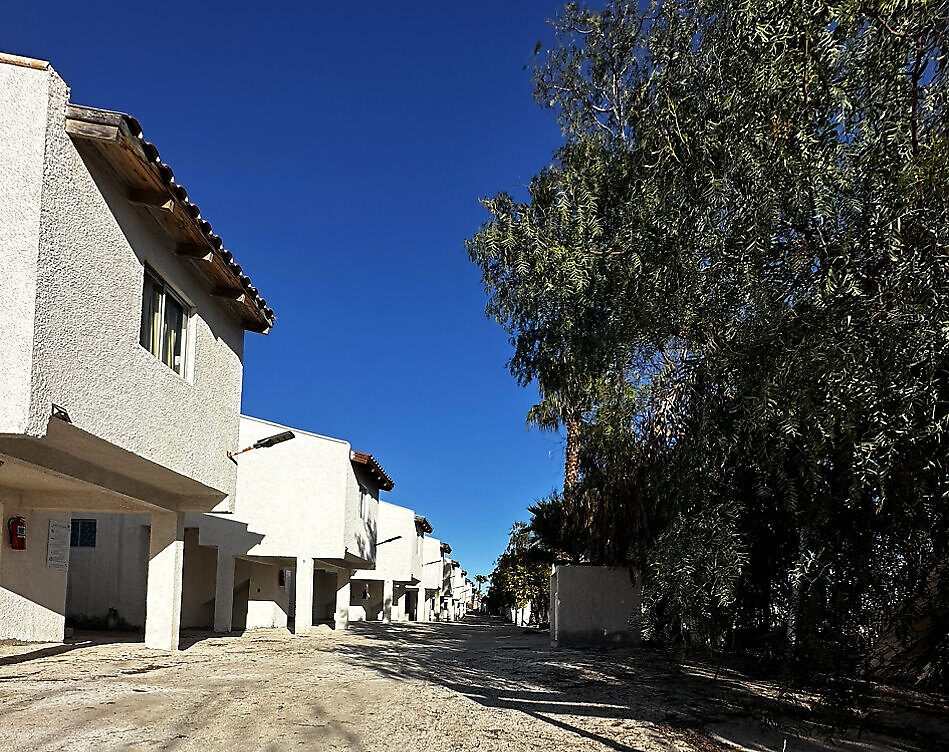
A private facility is justified when accommodation is part of the mission. Playa Blanca · Base Ejecutiva Privada fits that category: a coastal base in Bahía Inglesa/Caldera for mining teams that need to sleep at low altitude, coordinate their agenda and maintain a controlled standard.
When a camp makes sense
A camp is the natural option for regular crews, contractors with defined shifts and personnel who must remain close to the work front. In continuous projects, it reduces transfers and simplifies the administration of large groups. It also integrates directly with dining rooms, buses, inductions and internal site controls.
But it is not always the best answer for executive or critical technical personnel. If the site operates at 3,500-4,800 m, sleeping at altitude maintains overnight exposure to hypoxia. The CDC Yellow Book notes that hypoxemia can be greatest during sleep and that sleep disturbance at altitude is common. For a short visit involving important decisions, returning to sleep in Caldera can be a prudent element of a fatigue strategy.
When a hotel is enough
A hotel works when the need is transactional: one person, one night, low sensitivity, no critical meetings and no strong control requirement. It can also work for commercial travel where proximity to urban services is the priority.
The issue appears during occupancy peaks. Bahía Inglesa can reach hotel occupancy references around 81%, a figure that should be treated as a market-pressure signal and updated by season. In that context, buying rooms reactively increases the risk of splitting the team, losing departure discipline and degrading rest quality.
When a private facility is the better fit
A private facility is the right fit when the group is small or medium-sized but highly critical. Typical cases include board visits, project leadership, HSE audits, EPCM progress reviews, technical due diligence, strategic supplier negotiations, commissioning, incident investigation or plant-shutdown week.
In these scenarios, lodging must provide more than rooms. It must enable early briefings, meals outside tourist schedules, work areas, stable connectivity, parking, access control, coordinated check-in and a single counterpart. A private residence also reduces public exposure when plans, costs, contracts or contingencies are being discussed.
Practical decision matrix
Use a camp for volume and operational proximity. Use a hotel for simple, low-sensitivity demand. Use a private facility when rest, privacy, agenda control and traceability are part of the expected outcome.
The decision should also consider altitude. If the team goes up to the Andes during the day, sleeping at sea level in Caldera can improve the recovery architecture. It does not replace medical assessment or driving controls, but it creates better conditions for key personnel to arrive clear-headed the next day.
Operating conclusion
The question is not which accommodation is better in the abstract. The question is which risk is being controlled. For mass rotation, camp. For simple stays, hotel. For key personnel with sensitive mining agendas in Atacama, a private facility in Bahía Inglesa/Caldera offers a combination that is hard to replicate: low altitude, control, privacy and logistics connection.
Verification sources
Minería Chilena, hotel facilities in mining regions and corporate demand in northern Chile: https://www.mch.cl/regiones-mineras-suman-mas-de-650-recintos-hoteleros-como-efecto-del-auge-del-sector/
CDC Yellow Book, sleep and hypoxia at altitude: https://www.cdc.gov/yellow-book/hcp/environmental-hazards-risks/high-altitude-travel-and-altitude-illness.html
Capstone Copper, Supplier Hub and Atacama mining operations: https://capstonecopper.com/supplier-hub/
CORPROA, Atacama Mining Cluster: https://www.corproa.cl/cma/